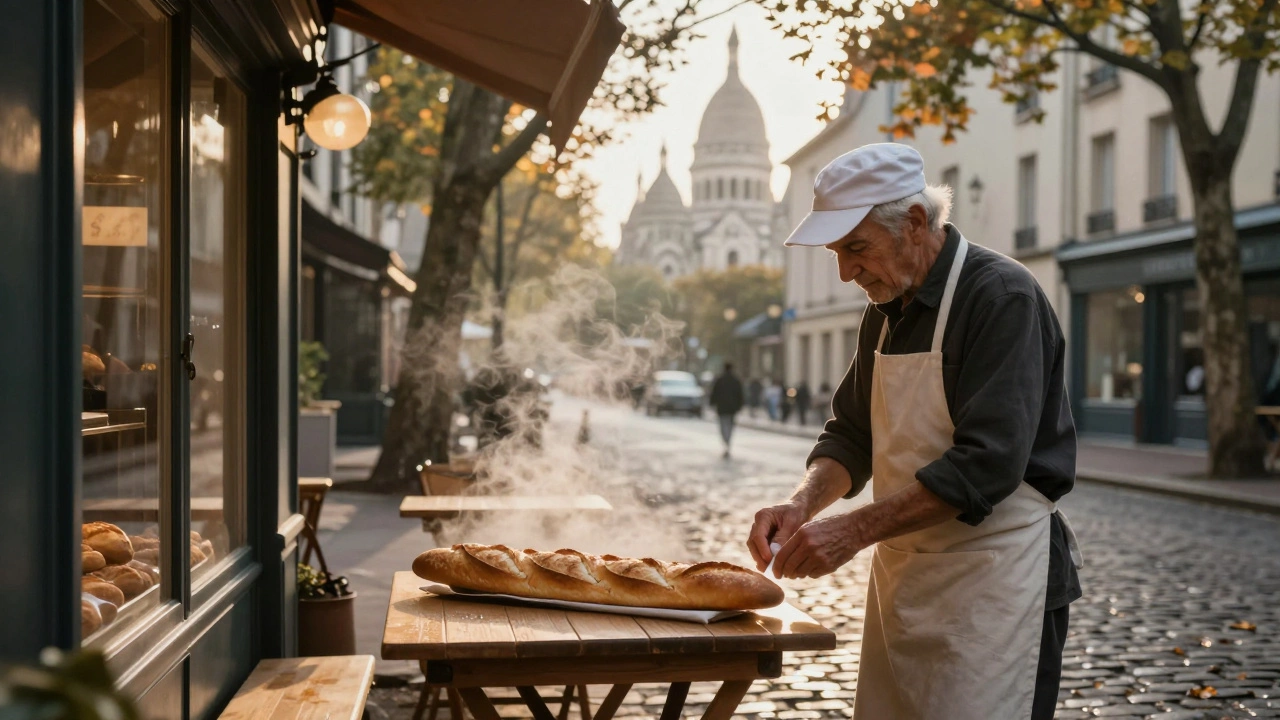
Paris isn't just the capital of France-it’s one of the most visited cities on Earth. Every year, over 30 million tourists walk its cobblestone streets, sip coffee at sidewalk cafés, and stare up at the Eiffel Tower like it’s the first time anyone ever saw it. And yet, most people never leave the tourist trail. They miss the quiet courtyards of Le Marais, the scent of fresh baguettes at 7 a.m. in Montmartre, and the way the Seine glows under bridge lights after sunset. If you’re planning a trip, this isn’t a checklist of must-see spots. It’s a guide to experiencing Paris like someone who actually lives here.
For travelers looking for local experiences beyond the guidebooks, some turn to services like eecort paris-not for the reasons you might think, but because they offer curated introductions to Parisian culture, from hidden art galleries to family-run bistros. These aren’t tour packages. They’re connections. And in a city where language and customs can feel like walls, that kind of guidance makes all the difference.
Getting Around Like a Local
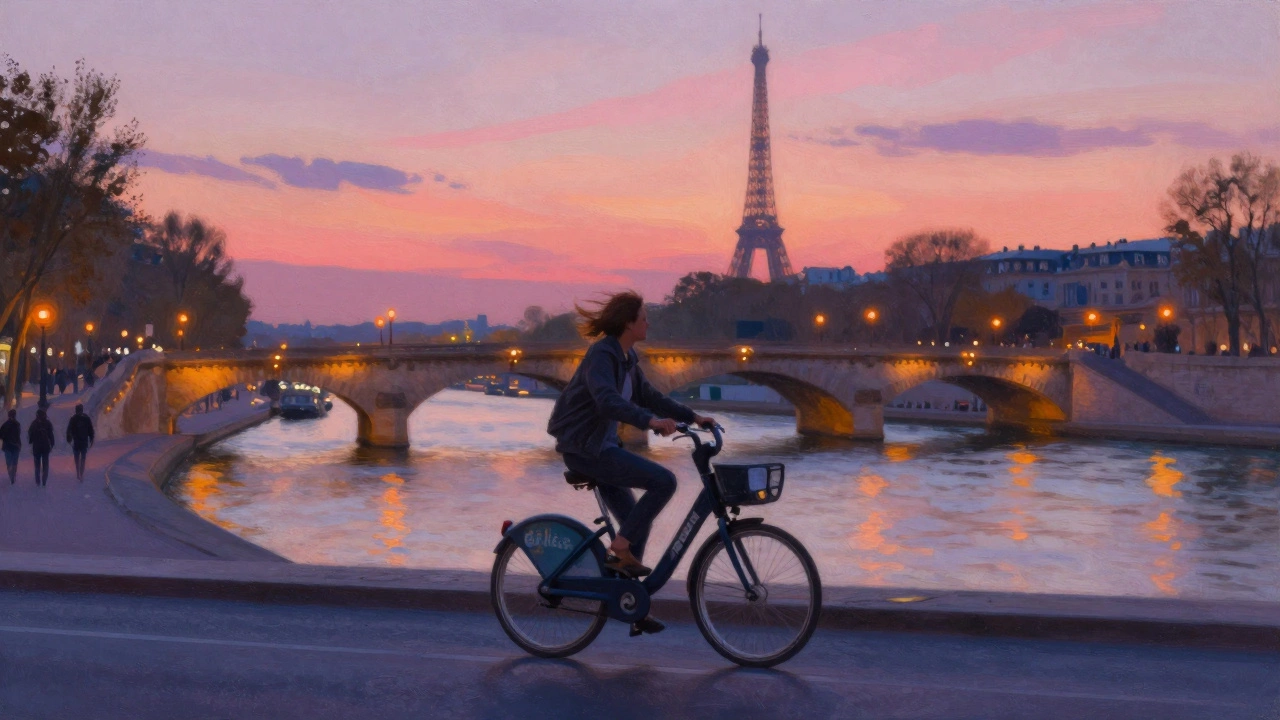
The Metro is fast, cheap, and covers almost everything you’ll want to see. But don’t just buy a single ticket. Get a carnet-a pack of 10 tickets-at any metro station. It’s half the price per ride. And skip the tourist buses. They’re slow, overpriced, and stuck in traffic near Notre-Dame every afternoon. Instead, rent a Vélib’ bike. There are stations everywhere. You can ride from the Louvre to Luxembourg Gardens in 20 minutes, weaving past street artists and old men playing chess under chestnut trees.
Walking is still the best way to discover Paris. Start at Place des Vosges in the Marais. Wander south toward Canal Saint-Martin. Stop at a boulangerie for a pain au chocolat. Don’t ask for it as "chocolate croissant." That’s not what it is. It’s a flaky, buttery pastry with chocolate inside. Ask for "pain au chocolat," and you’ll sound like you know what you’re doing.
Where to Eat (And Where Not To)
There are no "best restaurants" in Paris. There are only places locals go. Avoid restaurants with menus in five languages and pictures of food on the wall. Those are traps. Instead, look for places with handwritten chalkboards, no English menu, and a line of French people waiting outside. The food will be better, cheaper, and more authentic.
Try Chez L’Ami Jean in the 7th arrondissement. It’s a no-reservation, no-frills bistro. The duck confit is legendary. Or head to Marché d’Aligre in the 12th. It’s a real market-not a tourist photo op. Buy cheese from a vendor who’s been there since 1982. Eat it with a baguette on a bench while watching locals barter over tomatoes.
And yes, the croissants here are better than anywhere else. Not because they’re fancier. Because they’re made with real butter, not margarine. And they’re baked fresh every morning. If you’re in Paris for more than a few days, buy one every day. It’s not a treat. It’s a ritual.
The Real Side of Paris
Paris isn’t all romance and art. It’s also crowded, expensive, and sometimes frustrating. The metro breaks down. The waiters don’t smile. The streets smell like wet dog and diesel in winter. But that’s part of why it’s real. You won’t find perfect postcard moments unless you look for them. The magic is in the mess.
Visit the Père Lachaise Cemetery on a weekday. It’s peaceful. You’ll find Oscar Wilde’s grave, Jim Morrison’s, and dozens of quiet headstones with flowers left by strangers. No crowds. Just silence and history.
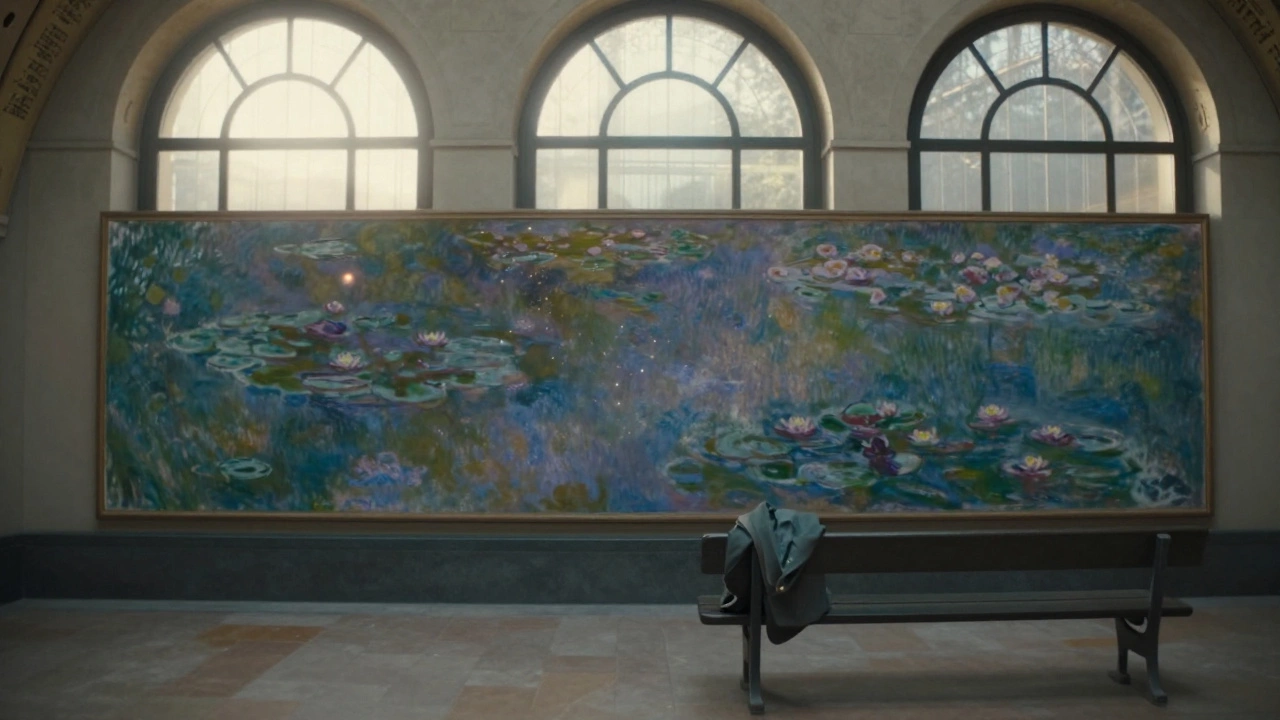
Go to the Musée d’Orsay in the morning. The crowds don’t arrive until 11 a.m. You’ll have Monet’s water lilies and Van Gogh’s self-portraits to yourself. Sit on a bench. Watch the light come through the big windows. No one will bother you. That’s Paris at its best.
When to Visit
April to June and September to October are the sweet spots. The weather is mild, the crowds are thinner, and the city feels alive without being overwhelming. July and August? Avoid them. Most Parisians leave. The city empties out. Shops close. It feels like a ghost town with tourists.
Winter has its own charm. The Christmas markets in La Défense and Saint-Germain-des-Prés are magical. Hot wine, roasted chestnuts, and twinkling lights. The Eiffel Tower sparkles every hour after dark. No one’s standing in line. You can walk right up.
What to Pack
Comfortable shoes. You’ll walk 10-15 miles a day. A light raincoat. Paris rains more than you think. A reusable water bottle. Tap water is safe and free. And don’t bring a power strip. French outlets are different. You’ll need a simple plug adapter.
Also, leave your expectations at home. Paris won’t bend to your schedule. It won’t apologize for being French. And that’s why it’s unforgettable.
Scorte Paris and the Myth of the "Parisian Experience"
Some search engines lead people to terms like "scorte paris," as if Paris is a place you can hire someone to make feel special. But Paris doesn’t work that way. It doesn’t sell experiences. It offers moments. You find them by wandering. By getting lost. By talking to someone who doesn’t speak English. By sitting on a bench and watching the world go by.
There’s no shortcut. No VIP pass. No tour guide who can hand you the soul of the city. You have to earn it. And that’s the point.
Final Tip: Don’t Rush
Paris isn’t a destination you check off. It’s a feeling you carry home. Spend one afternoon just sitting in a café in Saint-Germain. Order a café crème. Don’t look at your phone. Watch the people. Listen to the French. Let the city breathe around you. That’s when you’ll understand why millions come here-not for the monuments, but for the silence between them.
And if you’re looking for something deeper than a photo op, maybe you’ll find it in the quiet corners. Maybe you’ll find it in the way a stranger smiles when you say "merci" properly. Or how the light hits the Seine at dusk. Or how a single bite of a fresh baguette can feel like coming home-even if you’ve never been here before.
Sex girls paris might show up in search results, but that’s not Paris. Paris is the old woman who sells flowers at the metro station every morning. The baker who remembers your name after three visits. The quiet street where the only sound is a bicycle bell. That’s what stays with you.